
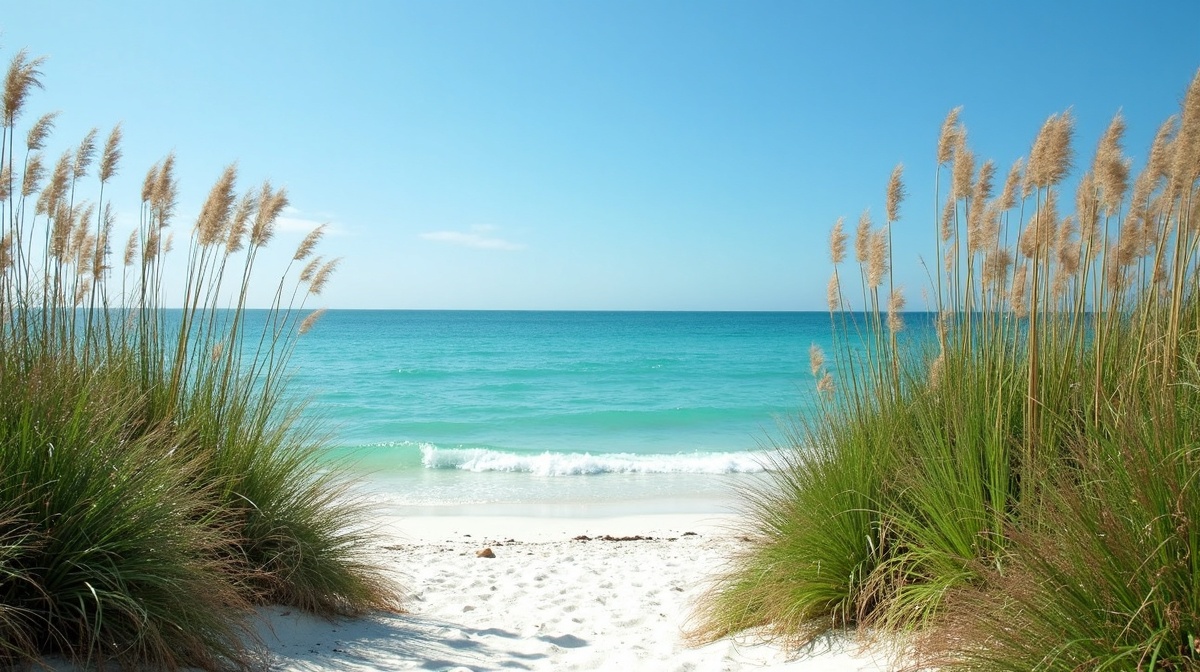

Landscaping on Bradenton Beach and Anna Maria Island presents unique challenges that mainland properties never face. Salt spray, sandy soil, high winds, and intense sun exposure demand a completely different approach to plant selection and design. But when done right, beachfront landscaping creates stunning outdoor spaces that thrive year-round.
Understanding the Coastal Environment
Barrier island properties face constant exposure to salt-laden winds that can damage or kill plants not adapted to coastal conditions. The sandy soil drains quickly, making water retention a challenge, while the intense Florida sun and reflected heat from sand and water create extreme growing conditions. Understanding these factors is the first step to successful beachfront landscaping.
Native coastal plants have evolved over thousands of years to handle these conditions. They feature thick, waxy leaves that resist salt damage, deep root systems that anchor against wind and find moisture, and compact growth habits that reduce wind resistance. Choosing these adapted species is essential for long-term success.
Best Salt-Tolerant Plants for Anna Maria Island
Sea grape (Coccoloba uvifera) is the gold standard for beachfront properties. This native shrub tolerates direct salt spray, grows into a dense windbreak, and produces attractive purple fruit. It can be maintained as a hedge or allowed to grow into a small tree, making it incredibly versatile for coastal landscapes.
Railroad vine (Ipomoea pes-caprae) is perfect for dune stabilization and ground cover. This native vine spreads quickly across sand, produces purple morning-glory flowers, and helps prevent erosion. It's ideal for the transition zone between beach and lawn areas.
Other excellent choices include:
- Saw palmetto — Low-maintenance native palm that forms attractive clumps
- Beach sunflower — Bright yellow blooms that attract pollinators and tolerate salt spray
- Muhly grass — Ornamental grass with pink plumes that sway beautifully in coastal breezes
- Coontie palm — Ancient cycad that's virtually indestructible in coastal conditions
- Blanket flower — Colorful perennial that blooms year-round in full sun
Drainage Solutions for Sandy Soil
While sandy soil drains quickly, beachfront properties often face flooding during heavy rains and storm surge. Installing French drains along property perimeters helps redirect water away from structures. Rain gardens planted with salt-tolerant species can capture and filter runoff while adding beauty to the landscape.
Raised planting beds improve growing conditions for less salt-tolerant ornamentals by elevating roots above the water table and allowing you to amend soil with organic matter. This creates microclimates where you can grow a wider variety of plants while keeping them protected from the harshest coastal conditions.
Wind-Resistant Design Strategies
Tropical storms and hurricanes are facts of life on barrier islands. Your landscape design should account for high winds by avoiding tall, top-heavy plants near structures. Instead, use layered plantings with low ground covers, medium shrubs, and carefully placed small trees to create wind-resistant zones.
Hardscape elements like pavers, shell pathways, and coral stone walls add structure without creating wind hazards. These materials also reflect the coastal aesthetic while requiring minimal maintenance. Avoid loose mulch that will blow away; instead, use heavier materials like crushed shell or river rock.
Bradenton Beach-Specific Considerations
Properties on Bradenton Beach face unique regulations regarding dune preservation and sea turtle nesting. Any landscaping work seaward of the coastal construction control line requires permits. Native dune vegetation must be preserved, and lighting must be turtle-friendly during nesting season (May through October).
Working with a landscaper experienced in Manatee County coastal regulations ensures your project complies with all environmental protections while creating the outdoor space you envision. Local expertise makes all the difference in navigating permitting and choosing plants that will thrive in your specific microclimate.
Ready to Transform Your Beachfront Property?
Coastal landscaping requires specialized knowledge and experience with salt-tolerant plants, drainage solutions, and wind-resistant design. Our team has been creating beautiful, sustainable beachfront landscapes on Anna Maria Island and Bradenton Beach for years. We understand the unique challenges of barrier island properties and know exactly which plants will thrive in your specific location. Contact us today for a free consultation and let's create an outdoor space that enhances your coastal lifestyle.